
Golden Penny Sanitation Inc. provides professional sump pump replacement in Honolulu and across Oʻahu, covering sump pumps, grinder pumps, sewage ejector pumps, and lift stations for homes and businesses. When a pump fails, water and waste stop moving — we diagnose the problem, replace the failed unit with correctly sized equipment, and get your system running again fast. If the pump is keeping up but the line it discharges into is not, a sewer camera inspection tells you which problem you actually have.
Sump Pump Replacement in Honolulu and Across Oʻahu
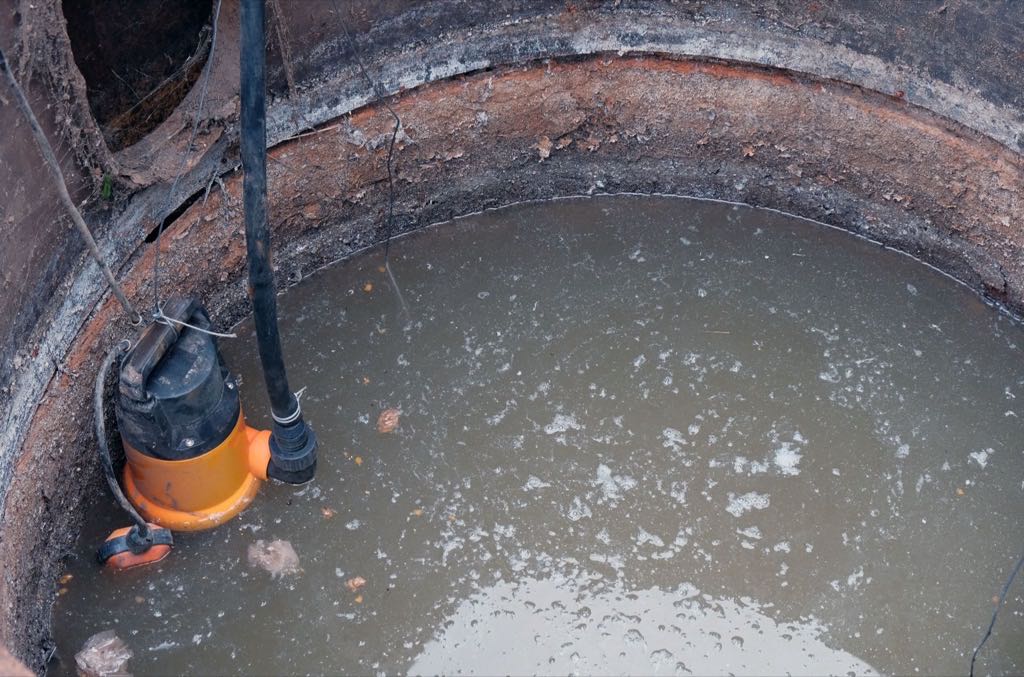
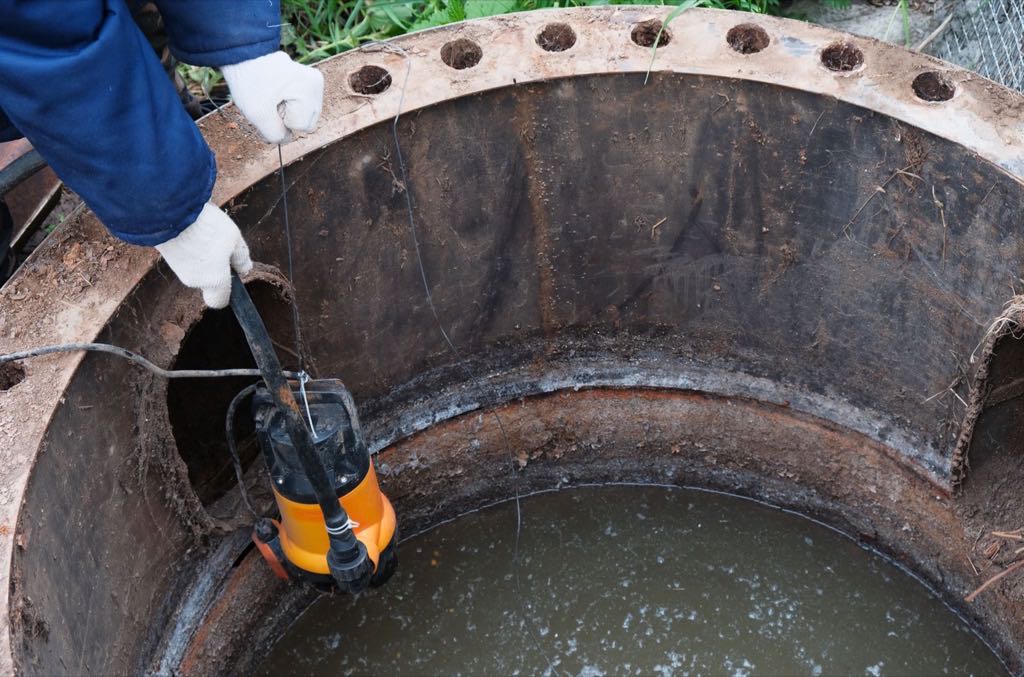
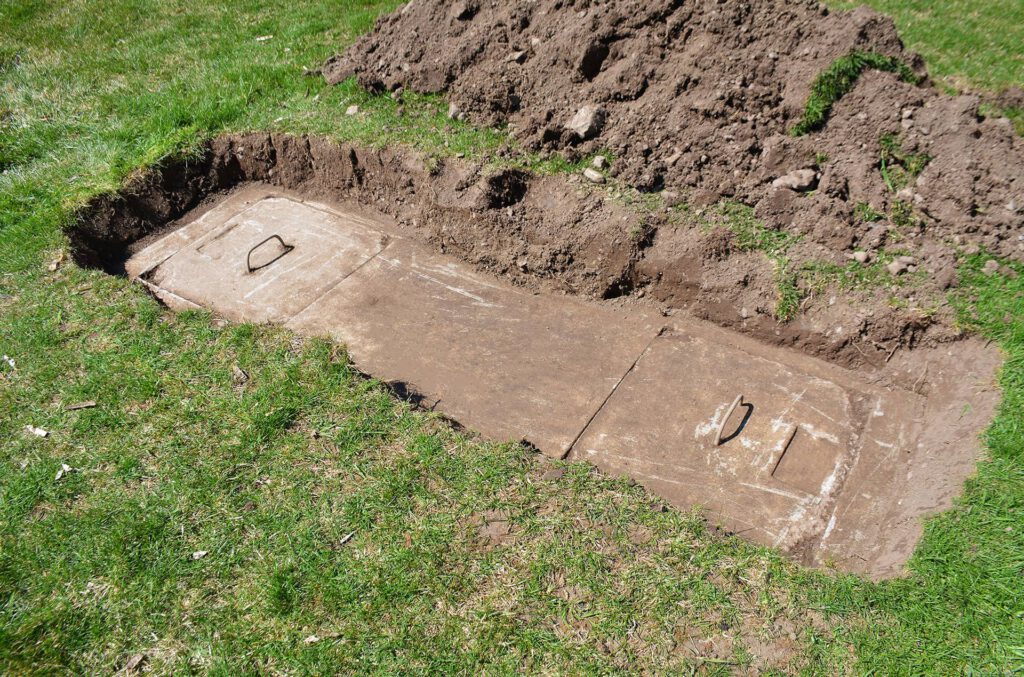
Sump pumps, ejector pumps and lift stations
- Sump pump replacement and installation
- Grinder pump and sewage ejector pump replacement
- Lift station pump service for commercial properties
- Float switch and check valve replacement
- Correct pump sizing for your property
- 24/7 emergency pump replacement
Grinder pumps, and how they differ from ejector and sump pumps
Three different pumps get called by each other’s names, and the difference matters the moment one of them quits. A sump pump moves groundwater — rain, seepage, the water that collects in a pit under a crawl space — away from the foundation. A sewage ejector pump lifts wastewater from a below-grade bathroom or laundry up to the sewer line or the septic tank. A grinder pump does that same lift, but it macerates solids first so the waste can travel through a narrow pressurized line, which is what makes it the right pump for a low-lying lot, a long run to the main, or a house that has to push uphill to reach it.
We replace all three, and we service the lift stations that sit behind condominium buildings, restaurants and commercial properties — usually a duplex pair of pumps with a control panel and an alarm float, where one pump can fail quietly for weeks while the other carries the load. If yours has an alarm that has been sounding, or a panel light nobody can explain, it is worth a look before both pumps are gone.
New installations are ordinary work too. A downstairs bathroom addition, a garage conversion, a crawl space that takes on water every wet season — if there is no pump there now, we size one to the lift and the flow the property actually needs rather than fitting whatever is on the truck.
The pump is rarely the only worn part
A pump that short-cycles, hums without moving water, or runs continuously is often telling you about something attached to it: a float switch stuck against the basin wall, a check valve that lets the discharge run back down after every cycle, a clogged intake screen, or a discharge line that has lost its pitch. Replacing the pump and leaving those alone buys a shorter life than it should.
So the float, the check valve, the basin and the discharge line get checked as part of the replacement, and we tell you what we found. If the pump is keeping up but the line it discharges into is not, a sewer camera inspection settles which problem you actually have before anyone buys a pump.
Where we replace pumps on Oʻahu
We work island-wide, not only in town. A replacement pump travels as easily as the crew does, so distance is rarely the reason we would turn a job down.
Regular routes cover Honolulu and Kalihi, the Leeward side through Ewa Beach, Kapolei, Waipahu and Waianae, Central Oʻahu in Mililani, Wahiawa, Aiea and Pearl City, the Windward side in Kailua, Kaneohe and Waimanalo, and the North Shore around Haleiwa.
Low-lying and shoreline properties are where grinder and ejector pumps turn up most often on this island, and they are also where a failure shows up fastest. If water is rising now, call — we answer 24/7.
A failed pump gives almost no warning
A failed pump rarely gives much warning before a flooded basement or sewage backup does. Replacing a worn-out pump on your schedule — instead of during an emergency — protects your property and costs far less than the cleanup.
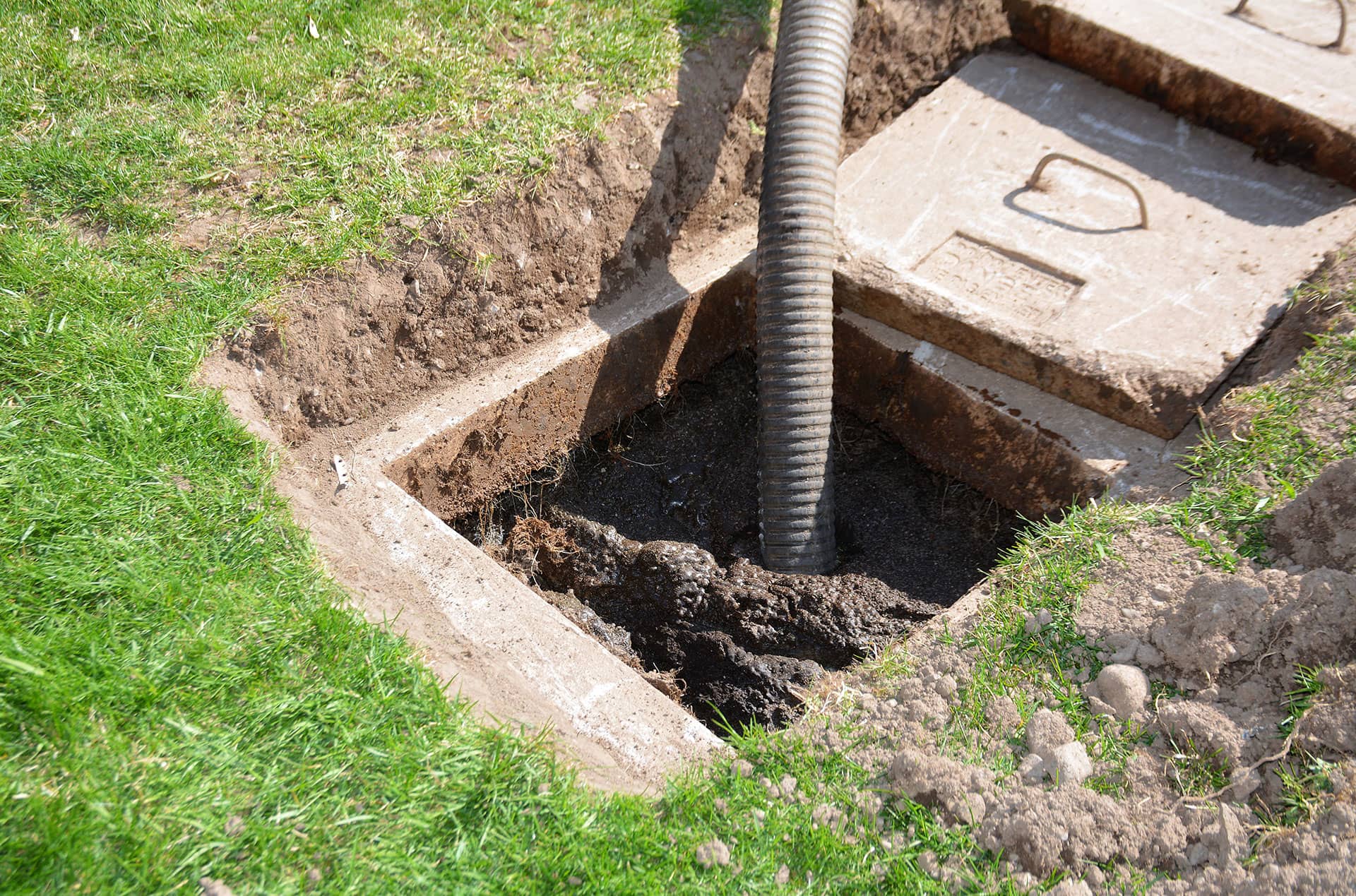
- Prevent flooding and sewage backups
- Restore proper drainage right away
- Quality pumps sized correctly for the job
- Longer service life from professional installation
- Local crew that answers 24/7
Frequently Asked Questions
How long do sump pumps last?
Most sump and sewage ejector pumps last about 7–10 years, depending on how often they run and the quality of the unit. If your pump is near that age or cycling strangely, it is worth having it checked before it fails.
What are the signs a pump is failing?
Constant running, frequent on-and-off cycling, grinding or rattling noises, slow drainage, and standing water where there should not be any are all warning signs that a pump is on its way out.
What is the difference between a sump pump and a sewage ejector pump?
A sump pump moves groundwater away from your foundation, while a sewage ejector pump lifts wastewater from below-grade plumbing up to the sewer line. We replace and service both, along with commercial lift stations.
Do you service lift stations?
Yes. We service and replace lift station pumps for commercial and residential properties across Honolulu and Oʻahu.
Can you replace a pump in an emergency?
Yes. We answer 24/7. If your basement is flooding or sewage is backing up because of a failed pump, call us and we will dispatch a technician fast.
Do you replace grinder pumps?
Yes. Grinder pump replacement is routine work for us across Honolulu and Oʻahu, on residential units and on commercial installations. We match the replacement to the lift and flow your property needs rather than swapping in whatever fits the basin, because an undersized grinder pump fails the same way the last one did.
What is the difference between a grinder pump and a sewage ejector pump?
Both lift wastewater up to a sewer line or a tank. A grinder pump macerates solids first, so it can discharge through a narrow pressurized line and handle a longer or steeper run; an ejector pump passes solids whole and needs a wider gravity-fed discharge. Which one belongs on a property depends on that discharge line, not on preference.
Can you install a sump pump where there is not one now?
Yes. New sump pump installation is common on crawl spaces and below-grade rooms that take on water in the wet season. We look at where the water actually collects, set the basin there, and size the pump to the height it has to lift and the volume it has to move.